earned media
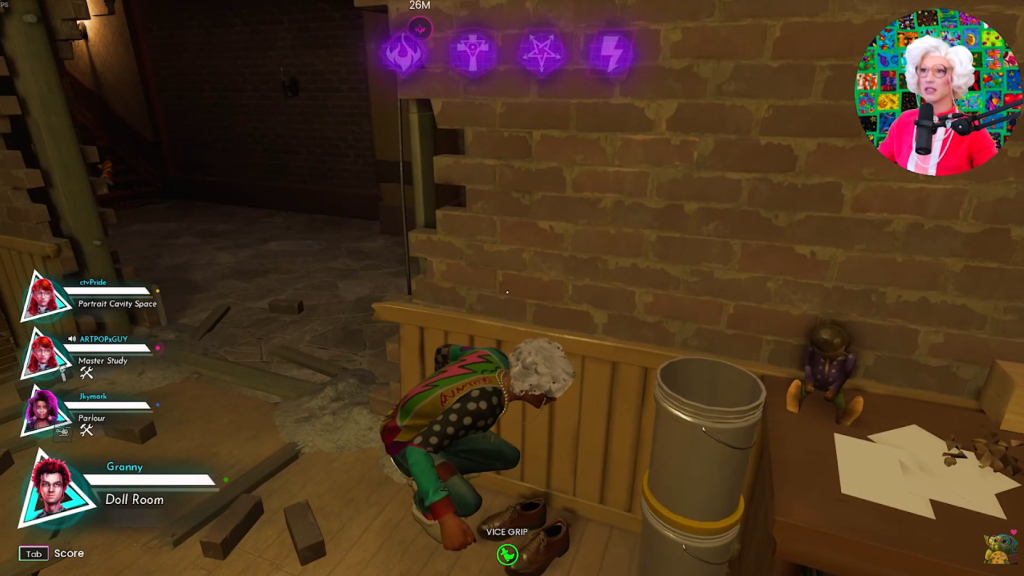
There’s quite a bit of overlap when it comes to influencers and PR. They both benefit visibility and word of mouth for games, but only if done right. This requires a constant ear to the ground, endless research into other games within the genre, and discovering what creators engage with those games most.
Similar to getting the IP in front of the right PR contact – getting the game in front of the eyes of the creators that would best represent the coverage for the genre, while simultaneously knowing how to speak to the values of their own channels, are vital for landing the right kind of visibility.
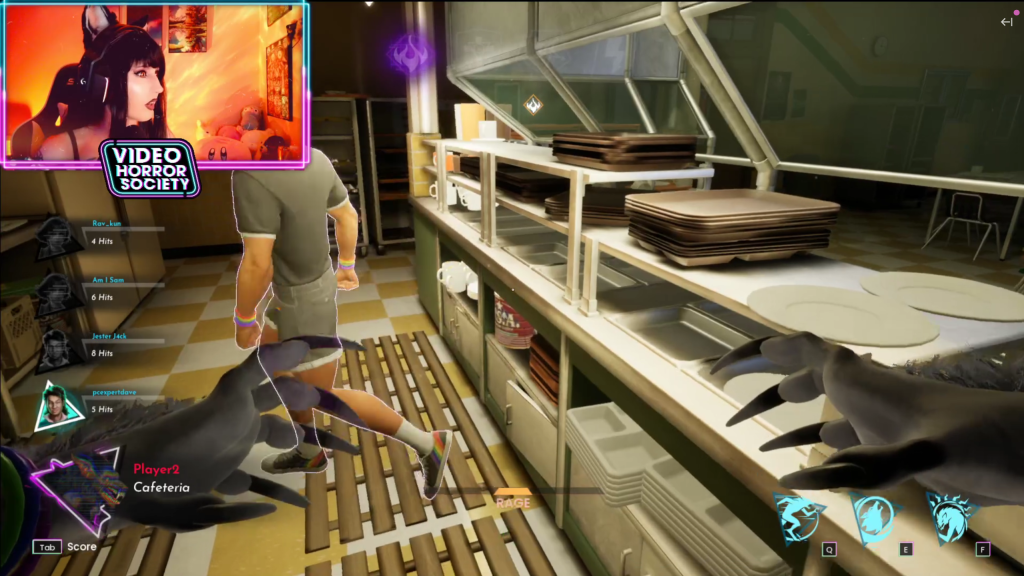
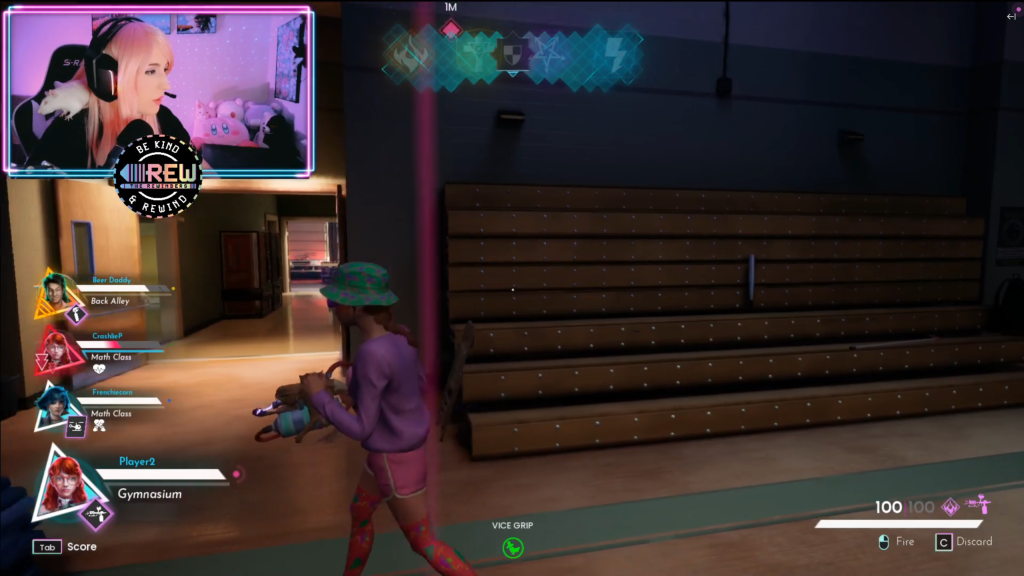
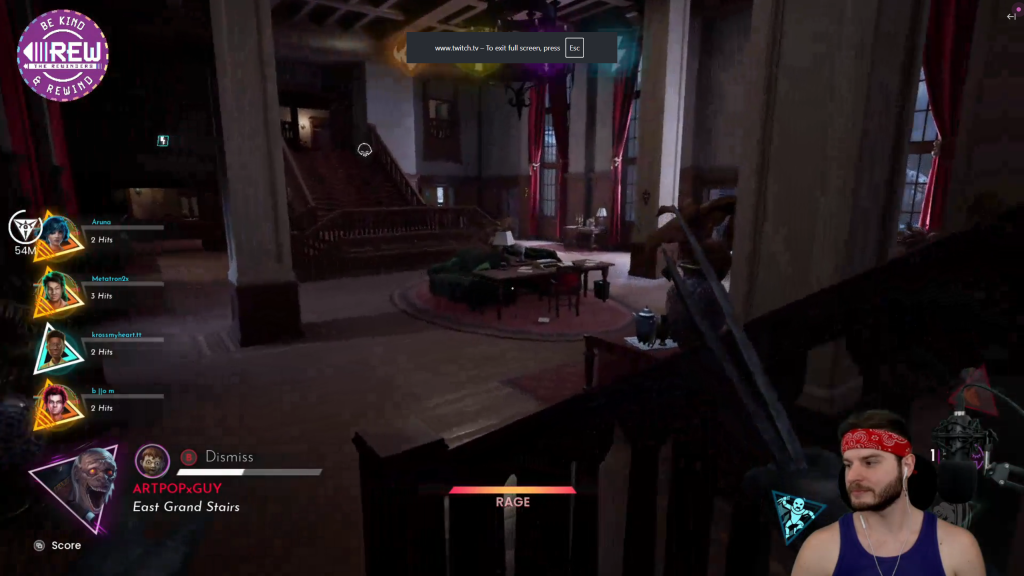
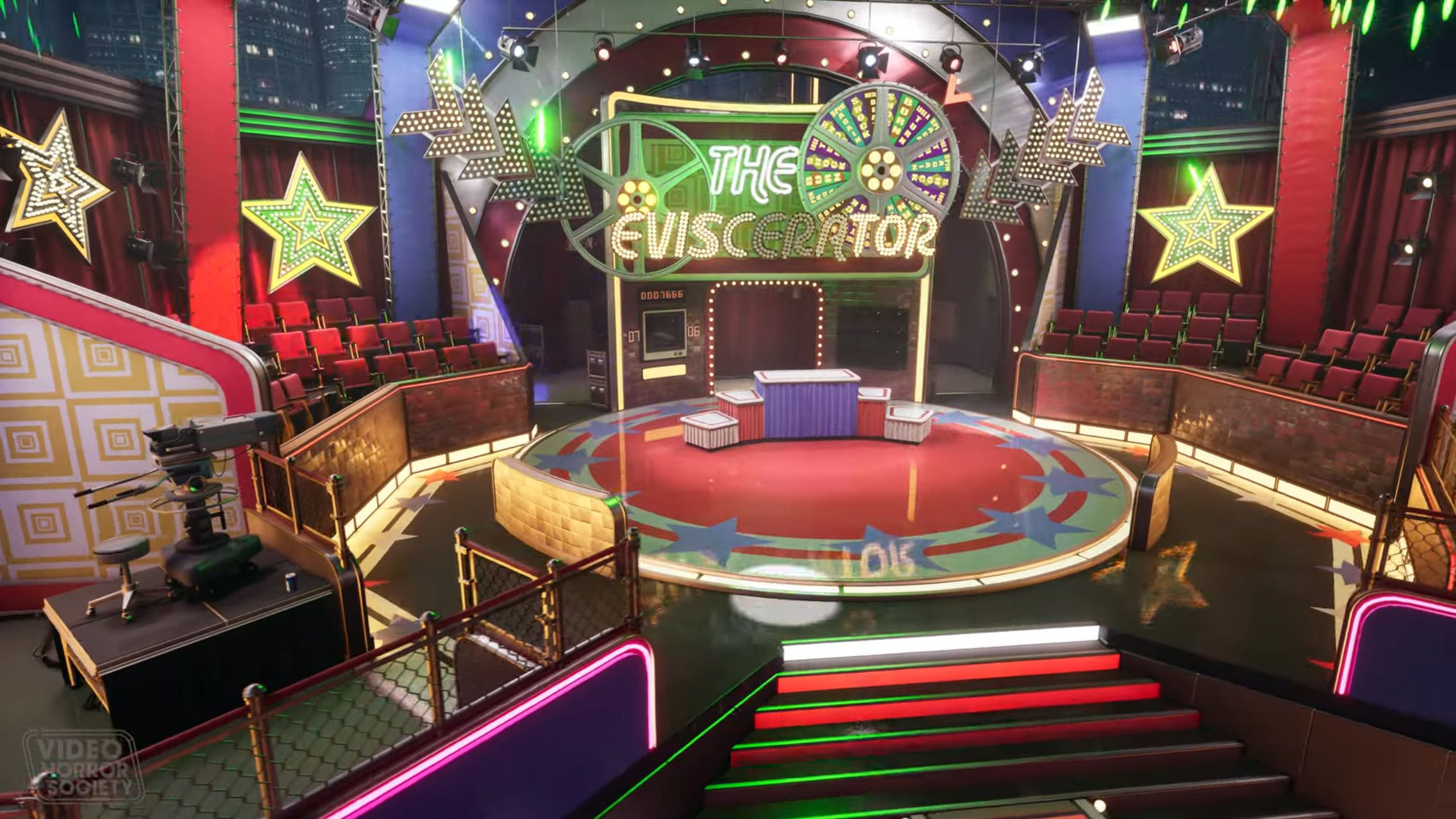
James Willems at Funhaus was one of the first larger creators that I got in contact with during the closed beta for Video Horror Society after seeing that their team had been engaging with several horror titles during that time period. I provided keys for them to play together, as well as keys to give away to their community so they could join the fun.
That being said, livestreams come with their own set of risks – which can quickly cause good sentiment and rapport to go downhill.
During the stream, the Funhaus team ran into some matchmaking issues – which required some quick thinking and pivots on my side. By working with the team on the dev side, maintaining communication with the creators in the live chat, and engaging with them over social media in a way that Funhaus (and their community) would resonate with, I was able to circumvent some “feelsbad” moments and strengthen the relationship with the team for future projects.
paid media
Paid media is an equally important part in the Digital Marketing Trifecta.
The Triple Sweat Campaign for Pistol Whip had many moving parts. In addition to co-leading the planning and execution of the campaign (task delegation and communication across 3 studios/IPs, gathering assets, player-facing communication, etc), we knew that we could drive visibility to our fitness community with the right influencers within the project’s budget.
By providing our creators with assets, swag, and compensation for their time and efforts, they knocked it out of the park with their content driving even more visibility to the campaign through their own audiences.